Mazzer zmienił zdanie w kwestii RDT
Młynki
4
Posty
3
Uczestników
21
Wyświetlenia
-
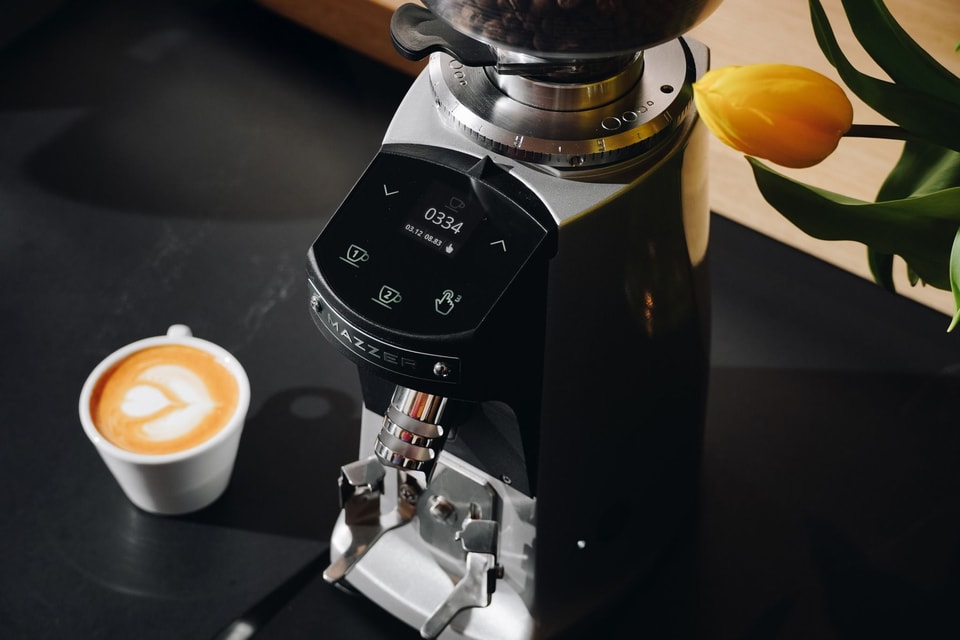
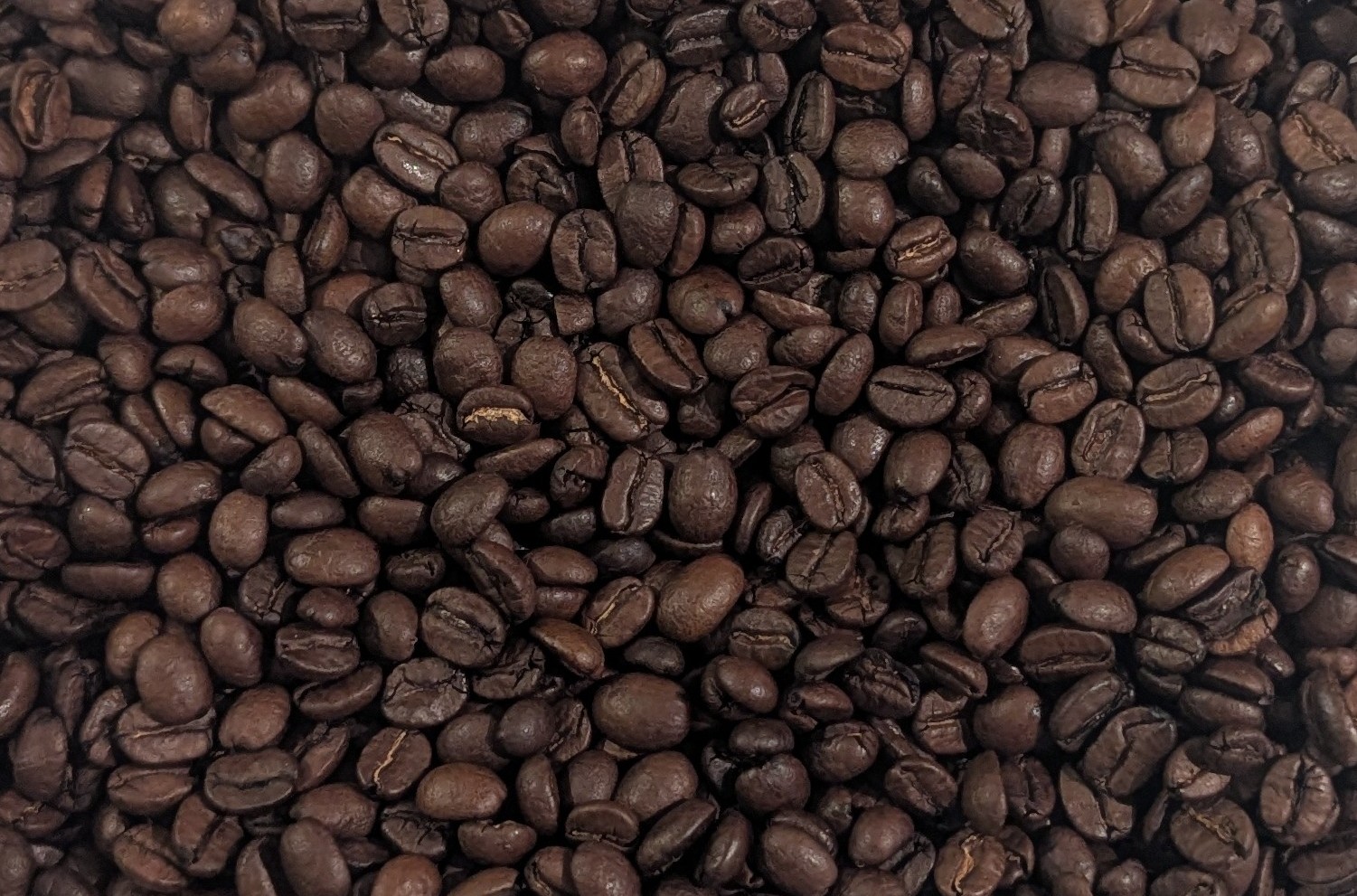
Pierwotnie Mazzer krzywo patrzył na RDT. W instrukcji Philosa znalazł się poniższy fragment:
Before filling the hopper, do not wet the coffee beans with water, water spray, and/or any other liquid.Z czasem podejście się jednak zmieniło. Teraz w FAQ na stronie możemy przeczytać:
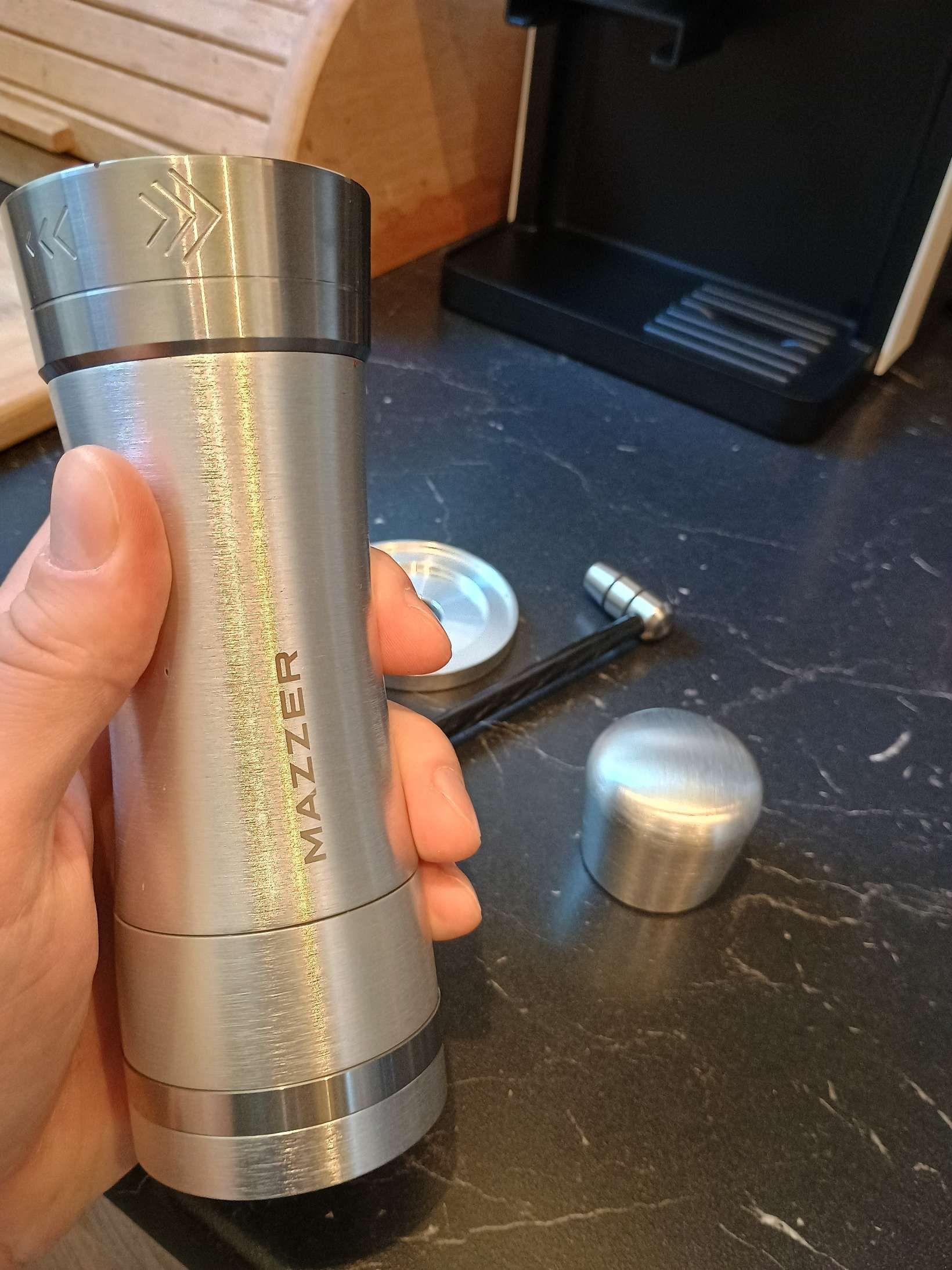
Mazzer Philos burrs are made of stainless steel, and the whole path of the coffee beans to the grinding chamber and out is moisture safe, bearings included. Mazzer Philos, though, has been carefully optimized to reduce the electrostatic charges during grinding: to do this, we highly recommend using the provided canister to collect the grounds.Ciekaw jestem co było powodem. Czy to sporadyczne problemy ze statyką? Czy też fakt, że RDT jest jednak modnym i powszechnym trendem?
A wy jak myślicie? Stosujecie RDT?
Ekspres: La Marzocco Linea Mini R, Melita Epour
Młynek: Mazzer Omega, Mahlkonig EK43S
Inne: Fellow Stagg EKG Pro, Acaia Lunar
Poprzedni sprzęt: Lelit Bianca, Lelit Elizabeth, Sage Pro Grinder, Lelit William, Ceado E37S -
Pierwotnie Mazzer krzywo patrzył na RDT. W instrukcji Philosa znalazł się poniższy fragment:
Before filling the hopper, do not wet the coffee beans with water, water spray, and/or any other liquid.Z czasem podejście się jednak zmieniło. Teraz w FAQ na stronie możemy przeczytać:
Mazzer Philos burrs are made of stainless steel, and the whole path of the coffee beans to the grinding chamber and out is moisture safe, bearings included. Mazzer Philos, though, has been carefully optimized to reduce the electrostatic charges during grinding: to do this, we highly recommend using the provided canister to collect the grounds.Ciekaw jestem co było powodem. Czy to sporadyczne problemy ze statyką? Czy też fakt, że RDT jest jednak modnym i powszechnym trendem?
A wy jak myślicie? Stosujecie RDT?
@skansen
Nie stosuję w Mazzerze, bo nie widzę potrzeby. Stosowałem w DF64 - zmniejsza retencję, ale zwiększa problemy z osadzeniem się pyłu w środku (paradoks). Także zaprzestałem. -
W młynku OD też nie bardzo widzę potrzebę, nie bardzo sobie też to wyobrażam.
-
Pierwotnie Mazzer krzywo patrzył na RDT. W instrukcji Philosa znalazł się poniższy fragment:
Before filling the hopper, do not wet the coffee beans with water, water spray, and/or any other liquid.Z czasem podejście się jednak zmieniło. Teraz w FAQ na stronie możemy przeczytać:
Mazzer Philos burrs are made of stainless steel, and the whole path of the coffee beans to the grinding chamber and out is moisture safe, bearings included. Mazzer Philos, though, has been carefully optimized to reduce the electrostatic charges during grinding: to do this, we highly recommend using the provided canister to collect the grounds.Ciekaw jestem co było powodem. Czy to sporadyczne problemy ze statyką? Czy też fakt, że RDT jest jednak modnym i powszechnym trendem?
A wy jak myślicie? Stosujecie RDT?
Pierwotnie Mazzer krzywo patrzył na RDT. W instrukcji Philosa znalazł się poniższy fragment:
Before filling the hopper, do not wet the coffee beans with water, water spray, and/or any other liquid.Z czasem podejście się jednak zmieniło. Teraz w FAQ na stronie możemy przeczytać:
A skąd wiadomo co było najpierw?

Hello! It looks like you're interested in this conversation, but you don't have an account yet.
Getting fed up of having to scroll through the same posts each visit? When you register for an account, you'll always come back to exactly where you were before, and choose to be notified of new replies (either via email, or push notification). You'll also be able to save bookmarks and upvote posts to show your appreciation to other community members.
With your input, this post could be even better 💗
Zarejestruj się Zaloguj się